150 Students
Workplace safety in Canada depends on both injury prevention and fast, effective response when incidents occur. This Manual Handling and Emergency First Aid course combines essential training in safe lifting practices with fundamental first aid knowledge used across workplaces such as healthcare, construction, warehousing, retail, and office environments. Designed for beginners and employees in physically active roles, the course covers …
Workplace safety in Canada depends on both injury prevention and fast, effective response when incidents occur. This Manual Handling and Emergency First Aid course combines essential training in safe lifting practices with fundamental first aid knowledge used across workplaces such as healthcare, construction, warehousing, retail, and office environments.
Designed for beginners and employees in physically active roles, the course covers manual handling hazards, risk assessments, safe lifting techniques, and injury prevention strategies. It also introduces emergency first aid procedures, including CPR basics, incident management, wound care, and response to workplace emergencies. Learners will gain a strong understanding of how to reduce workplace injuries and respond confidently when accidents happen.
Study online at your own pace and build essential workplace safety awareness that applies across multiple industries in Canada. On completion, you will receive a certificate that supports your professional development. Enrol today and improve both safety prevention and emergency response skills.
Please note: This Manual Handling and Emergency First Aid Course only gives you the theoretical knowledge that you need to excel in this field. This Course doesn’t entitle you to practise as a professional in this specific field.
This course is ideal for:
All of our courses, including this Manual Handling and Emergency First Aid Course, are fully accredited, providing you with up-to-date skills and knowledge and helping you to become more competent and effective in your chosen field.
All of our courses are accredited by the CPD Quality Standards as conforming to universally accepted Continuing Professional Development (CPD) guidelines.
The Quality Licence Scheme (QLS) is a trusted endorsement framework that certifies high-quality, non-regulated training programmes across various sectors.
The Association of Healthcare Trainers (AoHT) promotes high-quality healthcare training, supporting providers to deliver relevant, industry-aligned education and improve professional standards.
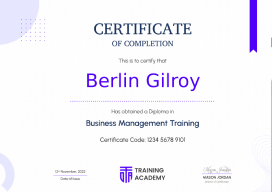
Once you’ve successfully completed your course, you will immediately be sent a digital certificate. Also, you can have your printed certificate delivered by post (shipping cost CA$9.99). All of our courses are fully accredited, providing you with up-to-date skills and knowledge and helping you to become more competent and effective in your chosen field.
This module introduces manual handling principles and explains workplace safety laws and guidelines. Learners understand legal responsibilities and the importance of safe lifting practices in preventing injuries.
Focuses on common risks associated with lifting, carrying, and moving objects. It explains how improper handling can lead to musculoskeletal injuries and long-term health issues.
Explores how to identify and assess risks before performing manual handling tasks. Learners will understand how risk evaluation helps reduce workplace accidents.
Covers practical control measures such as equipment use, task planning, and posture correction. This module highlights strategies to minimise strain and injury.
Teaches correct lifting posture, body mechanics, and movement techniques. Learners gain step-by-step guidance on lifting safely in real workplace scenarios.
This module explains the importance of first aid in workplace safety and how quick response can reduce the severity of injuries. Learners understand the role of a first aider in supporting emergencies until medical help arrives.
Covers the legal duties of employers and employees regarding first aid provision. It highlights workplace safety regulations and the responsibility to ensure proper first aid readiness.
Focuses on how to assess and control emergency situations effectively. Learners are guided on prioritising safety, securing the scene, and organising appropriate responses.
Introduces the ABC approach (Airway, Breathing, Circulation) used to quickly assess life-threatening conditions. This helps identify urgent risks and immediate actions needed.
Teaches a more detailed examination of the casualty after stabilisation. It helps identify additional injuries or medical conditions that may require attention.
Covers essential skills such as wound cleaning, bleeding control, and supporting injured individuals. These techniques help prevent complications before professional care arrives.
Explains treatment methods for common injuries like cuts, burns, and bruises. The focus is on quick care and preventing infection or worsening conditions.
Introduces CPR techniques and how to respond when someone is unconscious and not breathing normally. Learners understand how to act quickly in life-threatening situations.
Covers emergency responses for choking, asthma attacks, and breathing difficulties. It explains how to provide immediate support until emergency services arrive.
Explores conditions such as shock, fainting, and sudden illness. Learners understand how to monitor symptoms and provide appropriate first aid support.
Explains how to recognise bone injuries and provide safe support without worsening the condition. Emphasis is placed on immobilisation and emergency care.
Focuses on when and how to contact emergency services effectively. It teaches what information to provide to ensure a fast and accurate response.
It helps prevent musculoskeletal injuries, reduces workplace accidents, and ensures employees follow safe working practices.
No, this course is designed for beginners and covers both manual handling and first aid from the basics.
CPR (Cardiopulmonary Resuscitation) is an emergency technique used when someone’s breathing or heartbeat has stopped.
Anyone working in physical roles such as healthcare, construction, warehousing, retail, and support services should take this training.
Yes, first aid skills are valuable across all workplaces and can help save lives in emergency situations.
Yes, learners receive a certificate upon successful completion of the course.
| **Manual Handling Training** | |||
| Module 01: Introduction, Legislation and Guidance | 00:20:00 | ||
| Module 02: Manual Handling Hazards and Injuries | 00:23:00 | ||
| Module 03: Manual Handling Risk Assessments | 00:20:00 | ||
| Module 04: Controlling and Reducing the Risks | 00:28:00 | ||
| Module 05: Safe Lifting Techniques | 00:15:00 | ||
| **Workplace First Aid Training** | |||
| Introduction to Workplace First Aid | 00:25:00 | ||
| Legal Framework for Workplace First Aid | 00:20:00 | ||
| Incident Management at Work | 00:25:00 | ||
| Primary Survey | 00:15:00 | ||
| Secondary Survey | 00:15:00 | ||
| Basic First-Aid Techniques | 00:20:00 | ||
| Dealing with Minor Injuries at the Workplace | 00:25:00 | ||
| Secondary Illness Loss of Responsiveness and CPR | 00:12:00 | ||
| Secondary Illness Breathing Problems | 00:15:00 | ||
| Secondary Illnesses and Injuries | 00:15:00 | ||
| Dealing With Fractures and Dislocations | 00:10:00 | ||
| Call for an Emergency | 00:07:00 | ||
$199 Original price was: $199.$20Current price is: $20. ex VAT
SAVE 90% - OFFER ENDS SOON
![]() |
01 Year of full Course access
Level 2
Endorsed Certificate of Compleiton